






Before You Go: Must-Know Tips for Traveling to Greece
Greece is one of those destinations that lingers in your imagination long before you arrive—and stays with you long after you return home. With sun-washed islands, ancient ruins, crystal-clear waters, and famously warm hospitality, Greece feels both timeless and deeply alive. Whether you’re wandering through the echoes of ancient civilization, lingering over a seaside meal, or watching the sun sink into the Aegean, every experience feels rich with meaning.
It’s a destination that rewards curiosity and thoughtful planning—where choosing the right islands, timing your visit well, and balancing iconic sights with quieter moments can transform a wonderful trip into an unforgettable one. Here’s what to know before you go to Greece.
Why Go
With over 3,400 years of recorded history, Greece’s past isn’t something you read about—it’s something you walk through. From the Acropolis rising above Athens to the sacred site of Delphi, the monasteries of Meteora perched atop dramatic rock formations, and Ancient Olympia, the birthplace of the Olympic Games, history here feels powerful and tangible.
 Constantinos Kollias | Unsplash
Beyond its ancient sites, Greece is incredibly diverse in its landscapes. Rugged mountains, fertile valleys, pine-covered hills, and an endless coastline give way to some of the most beautiful beaches in Europe. The islands each offer their own rhythm and personality—whether it’s the energy of Mykonos, the laid-back charm of Naxos, the cultural depth and outdoor adventures of Crete, or the striking volcanic scenery and romantic sunsets of Santorini.
Food in Greece is deeply tied to place and tradition, and meals are meant to be shared and savored. Fresh seafood pulled straight from the sea, simple vegetables elevated with olive oil and herbs, grilled octopus enjoyed harborside, or a comforting plate of moussaka in a local taverna—Greek cuisine feels honest, generous, and full of soul. Add a glass of local wine and a sunset over the Aegean, and it’s easy to understand why Greece captures hearts so completely.
When to Go
Greece enjoys wonderful weather for much of the year, with mild winters and long stretches of sunshine. Athens is a year-round destination, while most islands operate seasonally from April through October, when ferry routes and hotels are fully up and running.
For most travelers, the best time to visit is mid-April through June or September through mid-October. During these months, the weather is warm but comfortable, the crowds are thinner, and prices tend to be more reasonable. It’s ideal for sightseeing, island hopping, hiking, and beach time without the intensity of peak summer.
 © Justin Black | Dreamstime.com
July and August are the hottest and busiest months, with temperatures sometimes climbing toward 100 degrees Fahrenheit. These months bring a lively energy—especially to islands like Mykonos and Santorini—but also larger crowds and higher prices.
While Greece isn’t known for snow travel in the same way as Italy, the winter months offer a quieter, more local experience, particularly on the mainland. Winter is a lovely time to explore Athens without crowds, enjoy cozy tavernas, and experience Greek culture at a slower, more authentic pace.
What to Know
Understanding a few local details ahead of time can make your Greece trip feel seamless and relaxed.
- Visa, Currency & Language: No visa is required for most travelers. Greece uses the Euro, and the official language is Greek. English is widely spoken, and communication is easy throughout most of the country.
- Getting Around: Domestic flights are convenient for traveling between the mainland and islands, while high-speed ferries offer scenic and efficient island-hopping. For exploring mainland Greece or larger islands like Crete, renting a car or hiring a private driver/guide is ideal.
- Costs: Greece is generally affordable, especially on the mainland and lesser-known islands. Santorini and Mykonos tend to be the most expensive.
- Family Travel Notes: Many hotels on Santorini don’t allow children under 13 due to cliffside construction, and the island can be challenging for strollers or travelers with mobility concerns.
- Culture & Hospitality: Greeks are famously warm and welcoming. Whether or not there’s a shared language, you can expect kindness, generosity, and a genuine sense of hospitality wherever you go.
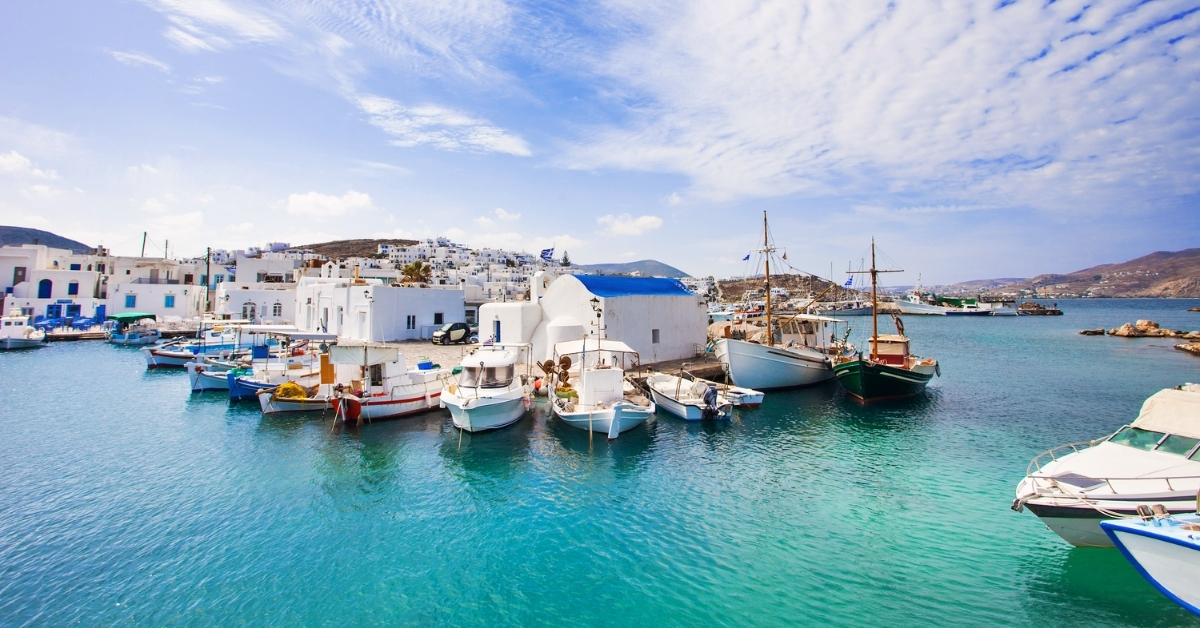 © Poike2017 | Dreamstime.com
Planning Your Greece Trip
If Greece has been living in your saved posts or travel daydreams, now is the time to turn inspiration into experience. Stop saving it for “someday” and start making memories—the kind you’ll talk about for years, relive through photos, and wish you could return to again and again.
At WAC Travel, we help you experience Greece beyond the highlight reel. From choosing the right islands to coordinating every detail along the way, we make travel feel seamless so you can focus on what matters most: being there, soaking it all in, and creating moments that last a lifetime.
 Top Travel Destinations to Visit in 2026
Previous
Top Travel Destinations to Visit in 2026
Previous
 A Meaningful Way to Celebrate Milestone Birthdays: Group Travel in Europe
Next
A Meaningful Way to Celebrate Milestone Birthdays: Group Travel in Europe
Next