





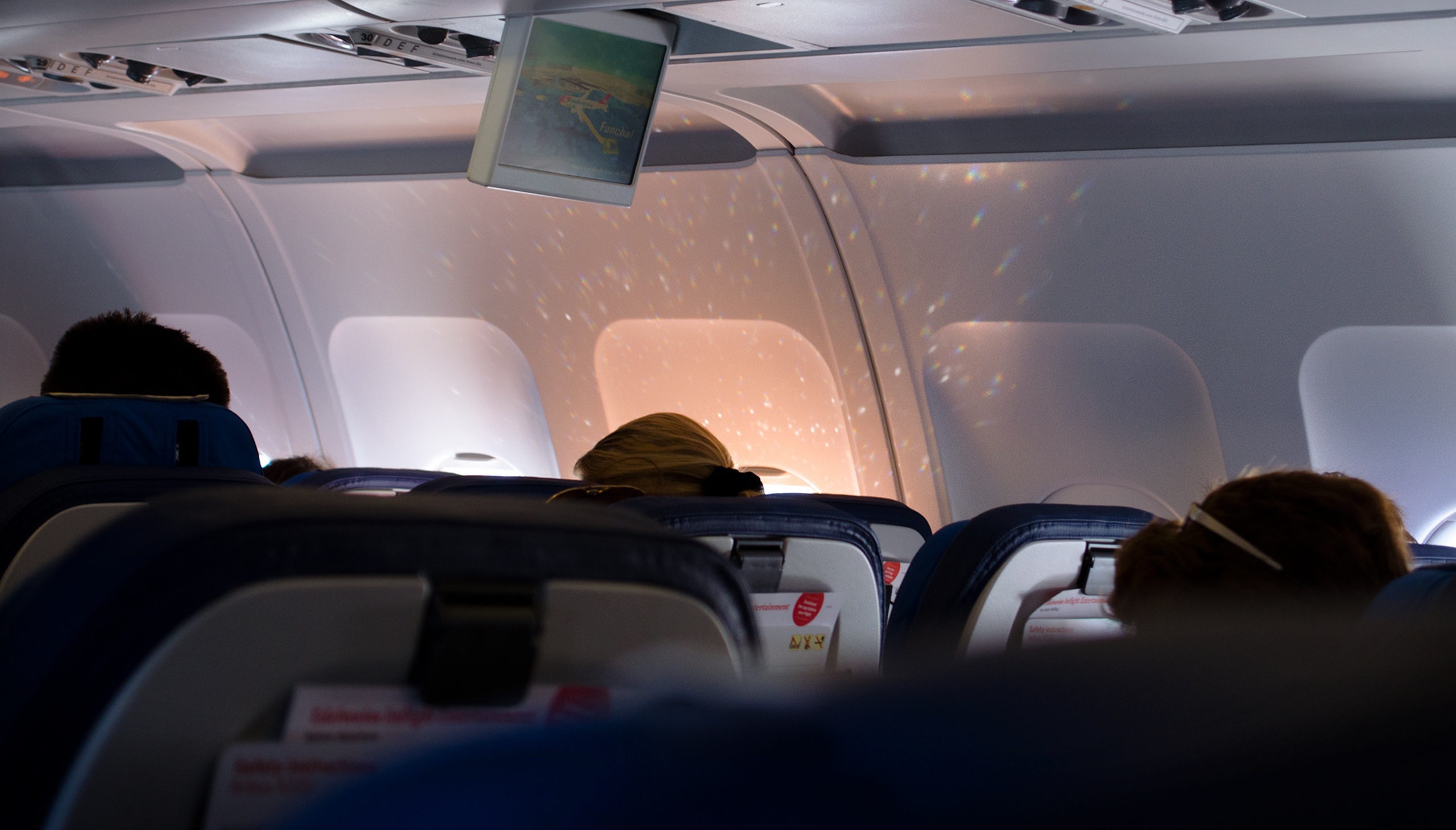
How to Beat Jet Lag on Your Next Long-Haul Trip
You’ve finally booked the trip. Safari in Kenya. Wine country in Tuscany. The medinas of Morocco. After all that planning, the last thing you want is to spend your first two days horizontal, staring at the ceiling of a gorgeous hotel room at 3 a.m.
Jet lag is real, and it’s not just tiredness. It’s your body’s internal clock genuinely confused about where it is in the world. The good news? There’s solid science behind managing it, and a few simple habits can make a meaningful difference. Here’s what actually works.
5 Remedies That Work
- Shift Your Sleep Schedule Before You Go
This one takes a little discipline but pays off enormously. A few days before your flight, start moving your bedtime and wake time closer to your destination’s time zone, even by just an hour or two each day. Flying to Paris? Try going to bed an hour earlier each night for three nights before you leave.
Your circadian rhythm, the internal clock governed by your brain’s suprachiasmatic nucleus, is deeply sensitive to light and sleep timing. Gradual shifts are far easier for your body to absorb than a sudden 7-hour jump overnight.
The Science: Research published in Sleep Medicine Reviews confirms that pre-adjusting sleep timing by even 1 to 2 hours before travel significantly reduces jet lag severity upon arrival. Small changes compound quickly.
- Use Light as Your Reset Button
Light is the single most powerful signal your body has for resetting its internal clock. When you arrive in Europe or Africa, get outside in the morning light as soon as you possibly can. Even 20–30 minutes of natural sunlight before 10 a.m. tells your brain it’s time to wake up and start syncing to local time.
Equally important: avoid bright light in the evenings during your first couple of days. That means dimming screens, skipping harsh overhead lighting, and letting darkness naturally cue your body toward sleep.
The Science: Light exposure directly suppresses melatonin production via the retinohypothalamic tract. Studies from Harvard’s Division of Sleep Medicine show strategic morning light exposure accelerates circadian realignment by up to 50% compared to no light intervention.
- Take Low-Dose Melatonin at the Right Time
Melatonin has a reputation as a sleep aid, but that’s not really how it helps with jet lag. Think of it less as a sleeping pill and more as a timing signal for your brain. Taken correctly, it helps shift your clock to match local time faster than your body would do on its own. As always, this is not medical advice. Before adding any supplement to your routine, speak with your doctor or a qualified health professional, especially if you take medications or have any underlying health conditions.
The key is timing and dosage. A low dose (0.5 to 1mg) taken about 30 minutes before your target bedtime in the new time zone is more effective than the higher doses you’ll find on most pharmacy shelves. More is not better here.
The Science: A Cochrane Review analyzing 10 randomized trials found melatonin is effective for reducing jet lag when taken close to target bedtime at the destination. Low doses (0.5 to 3mg) performed comparably to higher doses with fewer side effects like morning grogginess.
- Stay Hydrated and Rethink the In-Flight Drink
Airplane cabins are pressurized at an altitude equivalent to about 6,000 to 8,000 feet, and the humidity inside typically sits below 20%, drier than most deserts. That level of dehydration quietly amplifies every symptom of jet lag: brain fog, fatigue, headaches, and disrupted sleep.
Drink water consistently throughout the flight, even when you’re not thirsty. And while that glass of Bordeaux at 35,000 feet feels festive, alcohol dehydrates you, fragments your sleep quality, and genuinely makes jet lag worse. Save the celebration for when you land and feel great.
The Science: Aviation medicine research confirms that cabin dehydration contributes directly to in-flight fatigue. Alcohol disrupts REM sleep cycles and acts as a diuretic, compounding fluid loss at altitude — a documented amplifier of jet lag symptoms.
- Resist the Nap – Anchor to Local Immediately
This is the hardest one, and also one of the most effective. When you land in Rome at 8 a.m. after a red-eye, every part of you wants to check in early and crash. But pushing through to local bedtime, even if it means a slightly groggy afternoon wandering Trastevere, resets your clock dramatically faster.
If you genuinely cannot function, allow yourself a short nap of no more than 20-30 minutes before 3 p.m. local time. Anything longer risks locking you into the wrong cycle for another day or two. The goal is to make your body believe it’s already home in the new time zone.
The Science: Sleep pressure (adenosine buildup) is a key driver of your circadian reset. Research in Nature and Science of Sleep shows that staying awake through arrival day until local bedtime, even with impaired performance, produces significantly faster full recovery than napping on arrival.
The Bottom Line: A Little Prep Goes a Long Way
Jet lag doesn’t have to steal days from your trip. With a bit of intention before you board and a few smart habits when you land, most travelers feel genuinely good within 24 to 48 hours of arrival. The destinations you’ve been dreaming about, whether it’s sipping espresso in a Roman piazza at sunrise or watching the Serengeti come alive on your first morning game drive, deserve your full presence. Don’t let a fixable sleep issue be the thing that dims that experience.
If you’re ready to stop putting off the trip and start actually planning it, we’d love to help you build something truly memorable!
Disclaimer: The information in this blog is intended for general informational purposes only and does not constitute medical advice. Always consult a qualified health professional before making any changes to your sleep routine, supplementation, or travel wellness plan.
 5 European Restaurants Worth Booking a Flight For
Previous
5 European Restaurants Worth Booking a Flight For
Previous
 Europe’s Most Unforgettable Summer Festivals
Next
Europe’s Most Unforgettable Summer Festivals
Next